
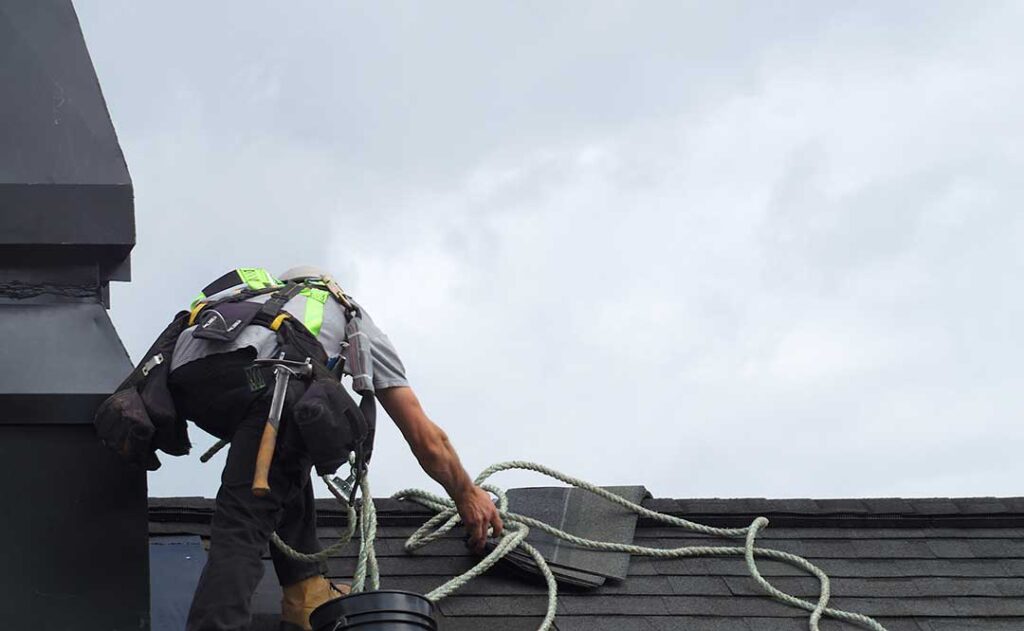
What Is Roof Underlayment, and Why Does It Matter in Depew, NY?
Roof underlayment is the layer of material installed directly onto your roof deck, beneath the shingles or other roofing material. In Depew, NY, this component acts as a secondary barrier against water, wind-driven rain, and sometimes snow. The local climate—with its snowy winters, rainy springs, and occasional ice dams—means that reliable underlayment can be crucial for preserving home integrity in the community.
Without it, even a minor leak in the shingles can allow water to seep into attic spaces or living areas, leading to hidden damage such as warped wood, mold, or compromised insulation.
How Many Types of Underlayment Are Used Locally?
There are three main categories used on area homes:
- Asphalt-Saturated Felt: Known as "felt paper," this is a traditional option. It is available in different thicknesses. While it offers basic water resistance, it can become less effective if saturated or torn during installation. In older homes around Depew, this type is commonly seen when repairs are needed.
- Synthetic Underlayment: This modern material is lightweight, durable, and resistant to tearing. It’s increasingly popular in the community because it handles the region’s wind and moisture stresses better than felt.
- Rubberized Asphalt (Peel-and-Stick): This self-adhering product is waterproof and provides an excellent seal around fasteners. It's frequently applied along the eaves, valleys, and other vulnerable roof sections where ice dams and heavy snow are most likely to cause leaks.
Each type has its pros and cons, so the best choice often depends on roof slope, local weather expectations, and homeowner preferences.
Can Skipping Underlayment Cause Problems in the Local Climate?
Neglecting to use underlayment, or choosing a low-quality option, increases the risk of leaks and interior water intrusion. In neighborhoods across Depew that see cycles of snow piling, freezing and thawing, underlayment is a first line of defense against ice damming, which happens when melting snow backs up under shingles.
Some building codes in the area require a specific grade or a certain number of underlayment layers within designated ice barrier zones, so it's not just a suggestion—it's often an expectation for safety and code compliance.
When Is Replacement or Repair Necessary?
Most underlayment is replaced during a roof tear-off, but repairs might be needed sooner if:
- Shingles blow off, exposing the underlayment to sun and moisture for extended periods.
- Water stains or persistent attic dampness are noticed, suggesting infiltration below the shingle surface.
Aged felt and older synthetic products can become brittle or deteriorate, especially if the attic is poorly ventilated or insulation is lacking—a concern in homes where upgrades haven’t been made in decades.
Does Underlayment Affect Energy Efficiency or Comfort?
While underlayment isn't primarily a thermal material, it can indirectly impact household comfort. A well-sealed underlayment layer limits moisture entry, protecting attic insulation from becoming damp and less effective. This helps insulation do its job, which in turn influences how well houses in Depew retain heat during long, cold winters.
In addition, peel-and-stick types can improve air sealing in older homes, further reducing drafts and energy waste.
What Common Misconceptions Exist About This Roofing Layer?
Some residents believe shingles are fully waterproof on their own. In reality, shingles are designed to shed most water, not stop every drop. Gaps around fasteners, overlaps, and minor material imperfections make underlayment essential for backup protection.
Another misunderstanding is the belief that all roof underlayments provide the same performance. In truth, the durability, moisture resistance, and cost can vary greatly based on type and specific product.
Are There Special Considerations for Area Homes?
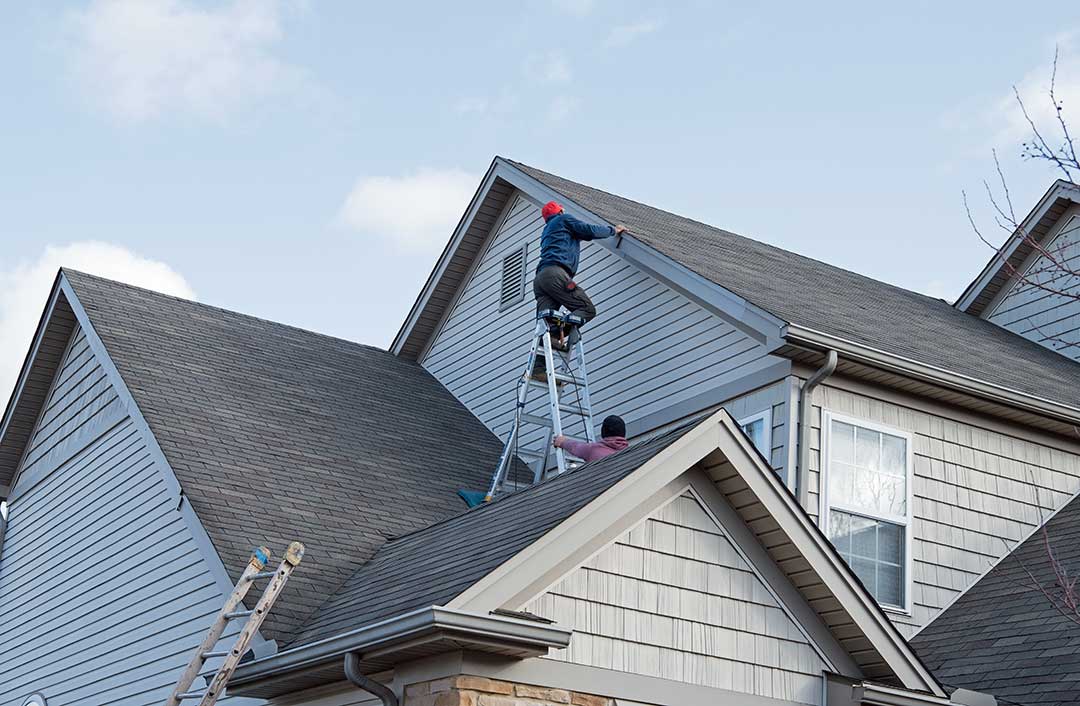
Specific to Depew, the impacts of heavy snow, relentless freeze-thaw cycles, and the risk of ice damming make robust roof layering more vital than in many other parts of the country. Homes with lower-slope roofs or complex valleys—features common in some older sections of the city—can be particularly susceptible to ponding water if underlayment fails.
Additionally, local regulations may require two layers of underlayment for certain roof slopes or specific ice shield products along roof edges. Seasonal inspections, especially after major winter weather, are a wise practice to spot early warning signs of underlayment trouble.
How Can Homeowners Recognize Underlayment Issues?
Although underlayment isn't visible without removing shingles, some signs may suggest concerns with this hidden layer:
- Stains on upper walls or ceilings after storms or snow melt
- Unexplained dampness or musty odors in attics
- Visible curling or missing shingles, especially if accompanied by leaks even after shingle repairs
It's worth noting that handling or exposing underlayment can involve working at height and sometimes disturbing older roofing materials, which calls for safety precautions.
What Should Go Into Selecting an Underlayment for a Local Home?
Effective selection considers more than price. Think about:
- Local weather patterns—choose products certified for ice and water resistance if snow and ice dams are a risk.
- Roof pitch—steeper slopes may allow more flexibility in type, while low slopes and complex valleys demand extra protection.
- Compatibility with roofing materials—some synthetic products pair better with modern shingles or metal roofs.
- Local code compliance—check city or regional requirements before planning repairs or upgrades.
By understanding these factors, residents can make informed decisions that protect their homes against the region’s unique weather and housing conditions.
