
How does humidity affect roofing materials?
Humidity affects roofing by adding moisture to the air around the roof assembly. Over time, that moisture can contribute to swelling, corrosion, mold growth, faster material aging, and problems with insulation or roof decking.
For homes in Depew, NY, humidity often matters most when warm, damp air meets a cooler roof surface. Seasonal temperature changes, snow cover, rain, and limited attic airflow can all increase the amount of moisture that remains in or around roofing materials.
Humidity alone does not usually destroy a roof. The greater concern is persistent moisture combined with poor ventilation, leaks, blocked drainage, or materials that are already aging.
Why is attic humidity a roofing concern?
Attic humidity is often more damaging than outdoor humidity because moisture can become trapped beneath the roof. Warm household air naturally rises and may enter the attic through gaps around light fixtures, plumbing penetrations, attic hatches, ductwork, or unsealed ceiling joints.
When that air reaches a cold roof deck, water vapor can condense into liquid droplets. During cold weather, this may appear as frost on the underside of the roof sheathing. When temperatures rise, the frost melts and can make the roof deck damp.
Common signs of excessive attic moisture include:
- Damp or stained roof sheathing
- Rust on nails, fasteners, or metal components
- Musty odors
- Mold-like spotting on wood
- Wet or compressed insulation
- Peeling paint or water marks on upper ceilings
- Ice buildup near roof edges during cold weather
A roof can look sound from the outside while moisture is affecting the materials underneath.
Which roofing materials are most affected?
Different materials respond to humidity in different ways.
Asphalt shingles
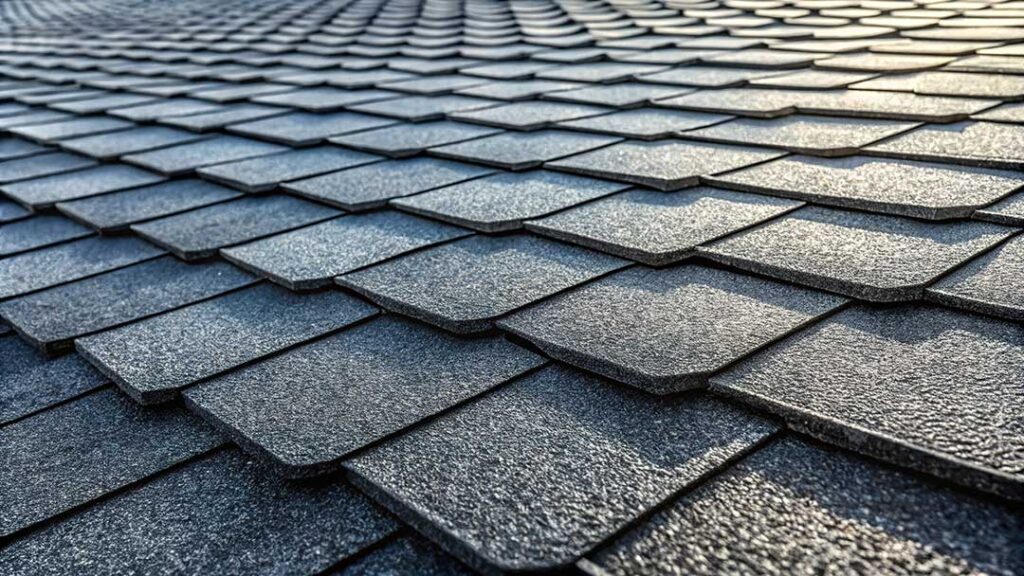
Asphalt shingles are designed to tolerate normal rain and humidity, but repeated moisture exposure can speed up aging. Moisture may encourage algae growth, especially on shaded roof areas. If the roof remains damp for long periods, shingles may lose surface granules more quickly or become more vulnerable to cracking and curling as temperatures fluctuate.
Humidity can also affect the adhesive strips that help shingles resist wind uplift. The effect is usually gradual rather than immediate, and installation quality, roof slope, sunlight, and age all play a role.
Wood roofing components
Wood roof decking, rafters, and trim absorb and release moisture as humidity changes. Small seasonal movements are normal, but repeated wetting and drying can cause swelling, shrinking, splitting, or warping.
Wood is especially vulnerable when a leak, condensation problem, or ventilation issue prevents it from drying. Prolonged dampness can also create conditions favorable to decay fungi.
Metal roofing
Metal does not absorb humidity, but it can corrode when moisture remains on its surface or becomes trapped at seams, fasteners, flashing, and edges. Condensation is a particular concern when warm, humid air contacts a cold metal panel.
Protective coatings can reduce corrosion, but damaged finishes, exposed fasteners, and standing water may still lead to rust. Metal roofing also expands and contracts with temperature changes, which can stress joints if drainage or installation details are poor.
Underlayment and flashing
Underlayment helps protect the roof deck from water that gets beneath the outer roofing layer. Flashing directs water away from joints, walls, chimneys, vents, and other openings.
Humidity does not typically damage these materials by itself, but continual dampness can weaken older underlayment, corrode metal flashing, and expose small installation defects. Because these components are often hidden, problems may not be visible until staining or leakage appears indoors.
Does high humidity cause roof leaks?
High humidity does not automatically cause a roof to leak. A leak usually results from damaged roofing, failed flashing, open seams, blocked drainage, or another direct path for water to enter.
Humidity can, however, imitate or worsen leak symptoms. Condensation on the underside of the roof deck may drip onto insulation or ceiling materials, particularly during cold weather. From inside the home, condensation damage can look similar to a roof leak.
The timing and location of the moisture can provide clues:
- Moisture appearing only during or after rain may indicate an exterior leak.
- Moisture appearing during cold weather without precipitation may point toward condensation.
- Dampness around bathroom or kitchen exhaust ducts may indicate warm air escaping into the attic.
- Repeated staining near roof edges may involve ice dams, poor drainage, or inadequate insulation.
Because multiple causes can overlap, a visible ceiling stain does not identify the source by itself.
How does humidity interact with winter conditions?
Winter creates a special moisture cycle. Indoor air is often warm and humid, while the roof surface and attic are cold. If the attic floor is not well air-sealed, heated household air can rise into the attic and condense beneath the roof.
Snow on the roof can also slow drying. A snow-covered roof receives little solar warming, and melting followed by refreezing can add stress around eaves, valleys, flashing, and drainage paths. Moisture may enter through small openings that would not cause obvious problems during dry weather.
A well-performing roof system depends on more than shingles. It also needs adequate insulation, a reasonably airtight ceiling plane, and balanced attic ventilation. Ventilation should allow air movement without creating openings that permit wind-driven snow or rain to enter.
Can humidity damage insulation and roof ventilation?
Yes. Humidity can reduce insulation performance when insulation becomes damp or compressed. Wet insulation transfers heat more readily than dry insulation, which can make the attic colder in some areas and increase the risk of condensation.
Ventilation problems may also be misunderstood. More ventilation is not always the answer if the main issue is air leakage from the living space. Adding vents without addressing uncontrolled moisture can leave the underlying problem unresolved.
Healthy attic conditions generally require:
- Air sealing around penetrations and access panels
- Proper insulation coverage
- Clear airflow from intake areas to exhaust areas
- Exhaust fans that vent outdoors rather than into the attic
- Unblocked soffit or intake paths
- Adequate drainage at roof edges and valleys
The exact arrangement depends on the roof design, attic configuration, and local building requirements.
What can homeowners check safely?
A basic visual check can identify warning signs without climbing onto the roof. From the ground, look for sagging gutters, persistent dark patches, damaged shingles, rusted flashing, or areas where roof surfaces stay wet longer than others.
Inside the attic, if it is safe to enter, look for damp insulation, water marks, frost, rusted nails, or daylight visible around roof penetrations. Avoid stepping between framing members, and do not enter an attic during extreme heat, electrical hazards, or unstable conditions.
Roof surfaces become especially hazardous when wet, icy, moss-covered, or steep. Walking on them can damage materials and create a fall risk.
How can humidity-related roofing problems be reduced?
The most effective approach is to control moisture before it reaches the roof assembly. Useful steps include keeping bathroom and kitchen exhaust fans vented outdoors, repairing plumbing leaks, maintaining gutters and downspouts, and preventing blocked roof drainage.
Indoor humidity also matters. Cooking, bathing, drying clothes, and using humidifiers all add water vapor to the home. In winter, excessive indoor humidity can increase attic condensation. A household hygrometer can help reveal whether indoor moisture levels are unusually high, although recommended humidity varies with temperature and household conditions.
Roofing materials last longer when they can dry after exposure to rain, snow, or humid air. Good drainage, sound flashing, adequate insulation, and controlled attic airflow work together to limit moisture accumulation. In a climate with cold winters, damp transitional seasons, and warm summer weather, that balance is more useful than focusing on humidity alone.
