
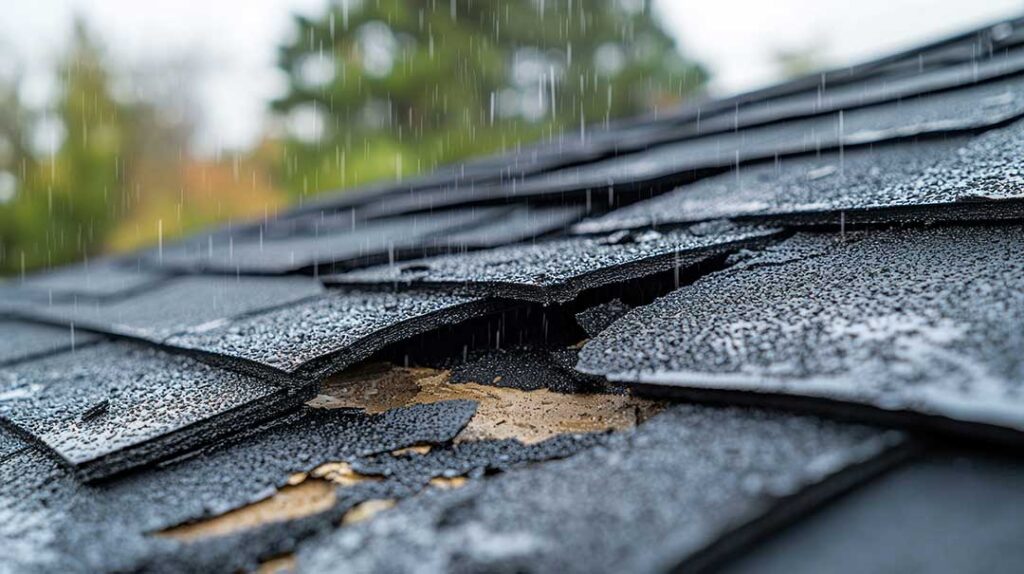
How often should a roof be inspected?
For most homes in Depew, NY, a roof inspection every one to two years is a sensible baseline. An additional inspection is wise after severe weather, before buying or selling a home, or whenever signs of water entry appear.
A roof can develop problems that are not visible from the ground. Small openings around flashing, aging sealants, loose shingles, and blocked drainage may remain unnoticed until they cause interior damage. Regular inspections help identify these conditions while repairs are usually more limited.
The right schedule depends on several factors:
- Roof age and material
- Recent wind, hail, heavy snow, or ice exposure
- Tree branches near the roof
- Previous leaks or repairs
- Attic ventilation and insulation
- The pitch and complexity of the roof
- Whether the home has experienced ice buildup along the eaves
A newer roof in good condition may not need frequent formal inspections. An older roof or one with a history of leaks deserves closer attention.
Is spring the best time for a roof inspection?
Spring is often the most useful time for a detailed inspection because winter can reveal weaknesses that were not apparent in fall. Snow loads, repeated freezing and thawing, ice dams, wind, and falling branches can all affect roofing materials and flashing.
A spring inspection can look for:
- Missing, cracked, curled, or displaced shingles
- Damaged metal flashing around roof openings
- Loose gutters or downspouts
- Granules collecting in gutters
- Stains or damp areas in the attic
- Mold-like growth caused by prolonged moisture
- Sagging roof sections
- Damage around vents, chimneys, skylights, and roof edges
In this part of New York, winter conditions may place stress on roofing even when a roof does not visibly collapse or lose shingles. Freeze-thaw cycles can widen small gaps as water enters a joint, freezes, expands, and then melts.
Spring is also a practical time to inspect drainage. Gutters and downspouts may contain roof granules, leaves, or compacted debris left behind by fall and winter. Poor drainage can send water toward siding, trim, foundations, or roof edges.
Should a roof be inspected before winter?
Yes. A pre-winter inspection can identify conditions that are more difficult and hazardous to address after snow and ice arrive.
The inspection should pay particular attention to the roof edges, valleys, flashing, drainage system, and attic. These areas often influence whether melting snow drains properly or refreezes along the eaves.
Before winter, look for:
- Loose or missing roofing materials
- Gaps around penetrations and flashing
- Gutters pulling away from the roofline
- Downspouts that discharge too close to the foundation
- Inadequate attic ventilation
- Heavy moss or debris buildup
- Weak branches that could fall during a storm
- Evidence of previous ice damming
An inspection does not guarantee that ice dams will never form. Ice damming is influenced by temperature, snow cover, attic heat, insulation, and ventilation. However, identifying heat loss and drainage problems ahead of time can reduce the likelihood of repeated trouble.
When is an inspection needed after a storm?
A roof should be checked after strong wind, hail, unusually heavy snow, or a storm that causes nearby branches to fall. The need is greater if shingles, metal components, siding, or gutters appear damaged.
Some storm damage is easy to spot, but other problems are subtle. Wind may lift the sealed edge of a shingle without removing it entirely. Hail may leave small impact marks that become entry points later. Heavy snow can expose sagging, damaged flashing, or drainage problems that were not visible before the storm.
After severe weather, residents can safely inspect the property from the ground by looking for:
- Shingles or metal pieces in the yard
- New dark or exposed patches on the roof
- Bent gutters or downspouts
- Debris resting on roof surfaces
- Water stains on ceilings or upper walls
- Dripping sounds or damp insulation in the attic
- Broken branches touching the roof
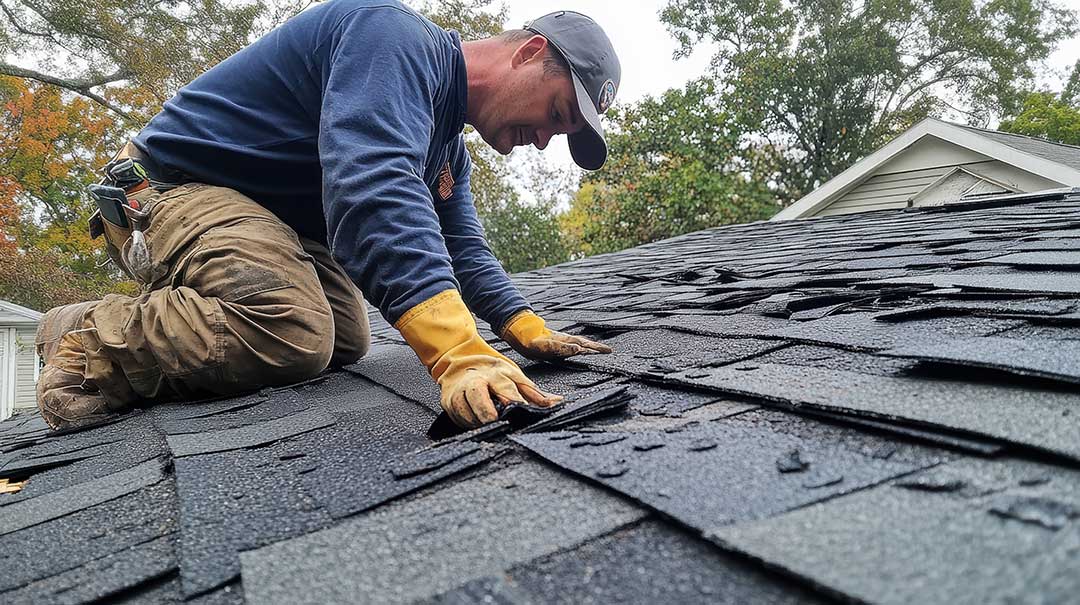
Walking on a wet, icy, steep, or damaged roof creates a fall hazard. If the roof appears unstable or there is active water entry near electrical fixtures, the area should be treated as a safety issue rather than a routine maintenance task.
What roof warning signs should not wait for a seasonal inspection?
Visible or interior warning signs should be addressed as soon as they are noticed rather than postponed until spring or fall. Delaying an inspection can allow a small leak to spread into insulation, framing, drywall, or finished ceilings.
Prompt attention is warranted when a household notices:
- A ceiling stain that grows after rain
- Peeling paint or bubbling drywall
- Damp attic insulation
- A musty odor near the attic
- Daylight visible through roof boards
- Persistent dripping during or after precipitation
- Shingles that are curling, cracked, or missing
- Rust around flashing or roof penetrations
- A roof surface that appears uneven or sagging
A single ceiling stain does not always show the exact location of the roof defect. Water can travel along rafters, roof decking, insulation, or framing before appearing indoors. For that reason, the visible stain may be several feet away from the entry point.
Does roof age change the inspection schedule?
Yes. Roof age is one of the most useful factors in deciding how closely to monitor a roof.
A roof that is approaching the later part of its expected service life generally deserves annual inspection, especially if shingles show surface wear or the attic has a history of moisture. Age alone does not prove that replacement is necessary, but it increases the value of checking for early deterioration.
Records are helpful. If the installation date, roofing material, or previous repair history is unknown, the roof’s condition matters more than an assumed age. Granule loss, brittle shingles, exposed fasteners, repeated leaks, and deteriorated flashing may indicate that closer monitoring is appropriate.
What should homeowners check between inspections?
Routine observation from safe locations can help identify changes early. Ground-level checks after storms and seasonal gutter cleaning are useful, but they do not replace a full inspection of roof surfaces and attic spaces.
A simple maintenance routine includes:
- Looking at the roof from the ground in spring and fall
- Checking attic areas for stains, dampness, or unusual odors
- Keeping gutters and downspouts clear
- Trimming branches that could contact the roof
- Watching for loose flashing or roofing material in the yard
- Recording the dates and locations of leaks or repairs
- Photographing visible changes for future comparison
Ventilation and insulation also deserve attention. Excessive attic heat and moisture can contribute to condensation, damaged sheathing, and winter ice problems. A roof inspection may reveal these symptoms, although correcting the underlying attic condition can require separate evaluation.
For many households, the most practical schedule is a spring inspection, a ground-level check before winter, and an additional inspection after any significant storm or interior leak. That approach accounts for the region’s snow, wind, freezing temperatures, and repeated seasonal changes without treating every roof as if it has the same needs.
