

Does My Roof Need to Be in Good Condition Before Installing Solar Panels?
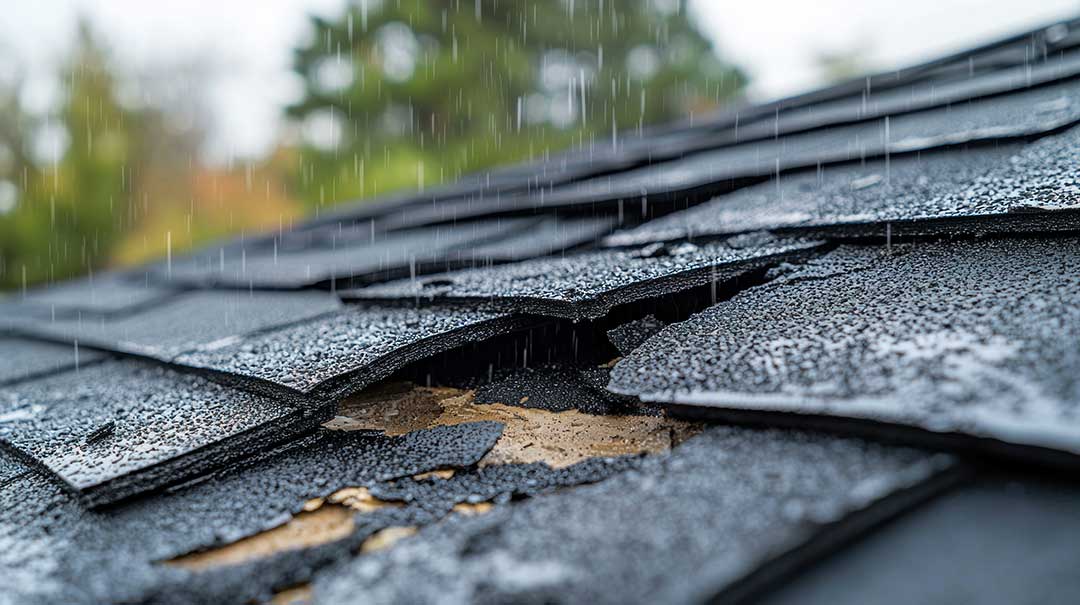
Yes, the roof should be in sound condition before adding solar panels. Solar panel systems can last 25 years or more, so it’s ideal if your shingles or roofing material are in good shape and have a similar expected lifespan. In Depew, roofs commonly withstand intense seasonal weather—heavy snow in winter and wind-driven rain in spring. If a roof is nearing the end of its life or has pre-existing issues like curling, brittle, or missing shingles, installing solar panels can complicate future repairs or add to overall project costs.
It's practical to have a roofing assessment first. Residents should factor in local weather impacts, ice dam potential along eaves, and any visible signs of deterioration. If major repairs or a replacement are expected within the next decade, handling this before solar installation often saves money and time.
Can Any Roofing Material Support Solar Panels?
Most solar mounting systems are designed for common materials in the region—especially asphalt shingles. Asphalt shingle roofs are the most popular in Depew and generally pair well with solar technology. Flat or low-slope roofs, common on some older homes and garages, can also support panels but may require specialized mounting solutions. Tile or metal roofs are less common here, but can be compatible with the right hardware.
What matters most is secure attachment and ensuring the mounting hardware will not contribute to leaks or void warranties. During snowy months, secure installation also prevents panels from shifting under snow loads—a real concern in the area’s climate.
Is My Roof Orientation and Shade Level Suitable for Solar Panels?
Solar panels work best when oriented to maximize sun exposure—typically a south-facing roof with minimal shade is ideal for highest energy production. In Depew, mature street trees, closely spaced homes, and seasonal shade from adjacent buildings can affect sunlight access throughout the year.
Modern solar technology is increasingly good at handling some shade, but significant obstructions can impact energy savings and the time required to recoup costs. Homeowners can start by tracking sun and shade patterns on their roof at various times and seasons. Mapping where shadows fall in both winter (when the sun is low) and summer (when it’s higher) provides a clearer picture than a quick glance in just one season.
How Does Our Local Climate Affect Solar Panel Performance?
Snow, cold, wind, and hail are part of life here, and all can impact solar panels and roofs. Fortunately, cold weather does not reduce a panel’s efficiency; in fact, panels often perform slightly better on chilly days, provided sunlight is strong. However, frequent snow accumulation requires consideration.
- Heavy snow can cover panels, blocking sunlight. Fortunately, panels are usually installed at an angle that encourages snow to melt and slide off.
- Icy buildup along the roof edge (ice dams) can increase stress on mounting points if not addressed.
- Wind can pose risks if panels aren’t securely installed, particularly in storms.
Local experience with harsh winters has led to best practices, like using weatherproof flashings and mounting systems designed to prevent leaks during freeze-thaw cycles.
Will the Installation Process Damage My Roof?
A properly installed solar system should not damage a roof. Installers penetrate roofing material to anchor support racks, then seal each penetration to prevent leaks. On newer roofs or those in good repair, this is usually very reliable. Problems are more likely if the roof is already old, has layered shingles, or if underlying wood is deteriorating.
For flat or low-slope roofs, installers may use ballasted systems that weigh panels down without many penetrations, preserving waterproofing layers. Local building codes guide installation methods to prevent water infiltration and ensure wind resistance, both vital in Depew’s changeable weather.
What Permits or Inspections Are Required?
Projects involving rooftop solar usually need permits and inspections through local code enforcement. The city reviews plans to make sure the roof can handle the added weight and that the installation will meet electrical codes and building safety standards.
Inspections check both the structural attachment and the electrical work. Requirements may vary depending on roof style, home age, and whether upgrades (like electrical panel improvements) are also part of the project.
Can I Remove or Replace My Roof After Solar Panels Are Installed?
Yes, it is possible, but not as straightforward as working on a roof without panels. If the roof needs replacement in the future, solar panels and their mounting hardware will have to be carefully removed and reinstalled. This adds expense and can increase the timeline for roof work.
Planning ahead is key. If a roof is only five to ten years from needing replacement, addressing this before solar installation generally saves hassle and duplication of costs later.
Are There Hidden Costs or Risks I Should Consider?
Some homeowners are surprised to learn about indirect expenses and responsibilities that come with rooftop solar. These can include:
- Upgrades to old electrical panels or wiring
- Ongoing maintenance, such as snow clearing after heavy storms
- Insurance coverage adjustments
- The cost of removing and reinstalling panels for future roof repairs
Additionally, warranties for both roofing and solar equipment should be compared—sometimes installation can affect or void roofing warranties, depending on the material and manufacturer.
Are There Local Considerations Specific to Depew?
Homes in Depew often have older roof structures and variable attic ventilation. Ventilation is essential for both energy efficiency and extending roof life, especially with the snow load experienced each winter. Some solar mounting systems can restrict airflow or complicate snow management, so local residents should consider designs that maintain attic ventilation.
Icy conditions, gutter systems, and attic insulation all influence how panels interact with a roof in this climate. Area homes with steep pitches will shed snow better, but accessible snow retention features may be needed to prevent large sheets of snow or ice from sliding dangerously from panel surfaces.
