

Why Do Moss and Algae Grow on Roofs in Depew, NY?
Moisture, shade, and mild temperatures make the local environment conducive to roof growths like moss and algae. In Depew, the combination of periodic rain, humid summers, and tree-covered neighborhoods creates ideal conditions for these organisms to thrive on roofing materials.
Moss is a spongy, green plant that often appears where moisture lingers the longest—commonly on the north- or east-facing roof slopes, under tree cover, or near valleys and gutters. Algae appears as black or green streaks and tends to spread across shingles, especially those made from asphalt or wood.
Both moss and algae can retain moisture, which accelerates the wear of roofing materials. Over time, this can lead to shorter shingle life and even leaks.
Are Moss and Algae Harmful to Roofs?
Yes, prolonged moss and algae presence can harm roof surfaces and even underlying structures.
- Moss has root-like structures that lift shingles, allowing water to seep underneath. This may eventually lead to rot or leaks.
- Algae does not penetrate as deeply, but it can discolor shingles, reduce curb appeal, and, in some cases, cause granular loss on asphalt shingles.
Local homeowners sometimes assume these growths are purely cosmetic, but ignoring them can lead to complicated repairs down the road.
How Can Residents Safely Remove Moss and Algae?
Addressing these growths safely is crucial for protecting both your roof and personal safety. For most roof types in Depew, gentle cleaning and regular maintenance are effective.
Safe cleaning practices:
- Use a soft-bristle brush: Gently scrub moss off the shingles, always working from the top of the roof downward to avoid lifting or damaging the material.
- Avoid pressure washers: High-pressure water can break shingle bonds, especially in older roofs, and drive moisture beneath them.
- Apply appropriate cleaning solutions: Standard mixtures include a 50/50 blend of water and household bleach or white vinegar. Allow the solution to sit for 15-20 minutes, then rinse thoroughly with a garden hose. Protect your landscaping below by thoroughly wetting plants before and after cleaning.
- Never mix bleach with other chemicals, especially ammonia-based cleaners.
Whenever climbing onto a roof, take proper safety precautions or consult local guidelines on safe ladder use. For steep or high roofs, consider whether the task can be done from the ground (with an extendable brush) or if it’s best left for rare occasions in dry conditions.
What Preventive Measures Work Best for Local Roofs?
Preventing regrowth makes ongoing maintenance easier and protects your investment.
Key strategies for homes in the area include:
- Trimming trees and branches to reduce shade and increase sunlight exposure on affected roof areas. More sunlight dries the roof faster and makes it harder for moss and algae to take hold.
- Clearing leaves and pine needles from gutters and roof surfaces to limit organic debris, which can hold moisture.
- Installing zinc or copper strips along the ridge of the roof. Rainwater running over these metals releases ions that naturally inhibit moss and algae growth. Strips are most effective when installed at the highest point, so water washes the entire slope.
- Cleaning roof surfaces and gutters regularly, especially in spring and fall, to remove buildup before growth appears.
Remember, too-frequent cleaning with harsh chemicals or aggressive brushing might wear down shingle surfaces faster. A measured approach, with maintenance every couple of years, is usually sufficient for most homes in the community.
Is Roof Replacement Required if Moss or Algae Are Present?
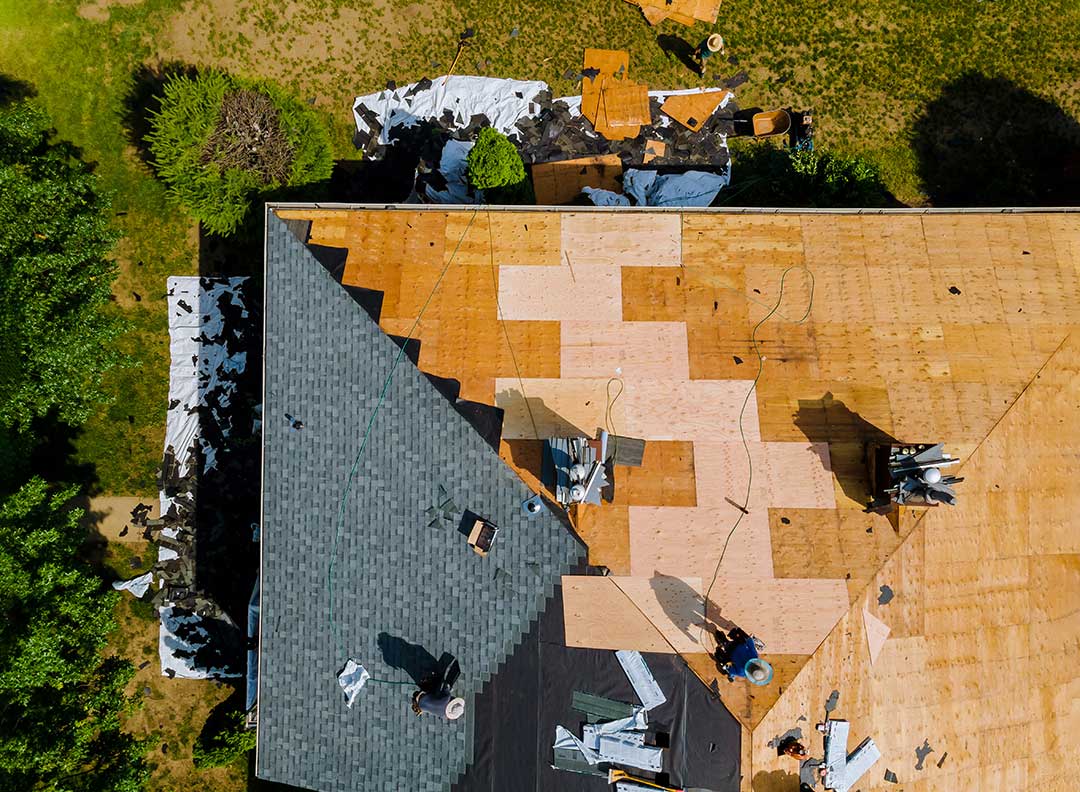
A roof rarely needs replacing solely because of visible moss or algae. Most shingle roofs in Depew can withstand episodic growths, provided they’re dealt with before damage becomes extensive.
Replacement might be necessary only if:
- The roof deck or structure underneath has rotted due to long-term water intrusion.
- Shingles are significantly curled, cracked, or missing due to moss lifting them up.
- There is ongoing leakage into the attic or living space and repairs are not cost-effective.
Otherwise, hands-on maintenance and minor repairs are usually enough to restore roof function and appearance.
What Are Common Mistakes Residents Make with Moss and Algae Control?
Some well-intentioned cleaning tactics can cause more harm than good.
- Power washing: Blasting away growth seems tempting, but this dramatically shortens roof lifespan by stripping granules or forcing water beneath shingles.
- Applying paint or sealants over moss: This traps moisture and speeds up shingle decay.
- Waiting until growth is severe: Early intervention uses gentler methods and avoids expensive repairs later.
- Ignoring gutters: Clogged gutters perpetuate damp roof conditions, so they’re an important part of moss and algae management.
- Using fertilizer near roof runoff areas: During routine gardening, excess nutrients from fertilizer can feed algae growth where water runs off the roof.
Taking a cautious, informed, and routine approach is the best way to manage these issues in Depew’s climate.
