

Why Does Knowing Roofing Terminology Matter for Depew Homeowners?
Even if you don't plan on climbing a ladder yourself, understanding basic roofing terms can help you communicate more clearly when handling repairs, inspections, or storm damage. For residents of Depew, local weather brings snow, rain, and heavy winds, all of which take a toll on residential roofs. Knowing the language of roofing helps area households spot problems early and manage costs more confidently.
What Are the Main Parts of a Roof Called?
The roof isn't just a layer of shingles on top of your house—it's a system made up of several layers and components. Here’s how each part functions:
- Decking (Sheathing): The flat surface—often plywood or OSB—that supports everything above.
- Underlayment: A protective barrier (usually felt or synthetic material) installed between decking and shingles to prevent leaks from wind-driven rain or ice dams, which are common during Depew’s winters.
- Shingles: These are the outermost part, visible from the street, and come in materials like asphalt, metal, or architectural styles.
- Flashing: Thin metal sheets placed around chimneys, vents, and joints to direct water away from seams where leaks could start.
- Drip Edge: Metal strips along roof edges that guide water into gutters, protecting the underlying structure.
- Soffit and Fascia: Soffit is the board under the roof edge (overhang), and fascia is the vertical board facing outward. Both help with ventilation and keep out wildlife.
- Ridge: The top line where two sloping roof sides meet—usually covered with specially designed ridge shingles or caps.
- Valley: The channel where two roof planes meet, directing rain and snow melt to the gutters.
Understanding these terms can make it easier to describe roof issues clearly to insurance adjusters or inspectors.
What’s the Difference Between a Pitch and a Slope?
Both terms describe the steepness of a roof, but they're used differently.
- Pitch: Ratio of the rise (vertical) to the span (total width). Traditionally, this might be expressed as "6:12," meaning for every 12 inches horizontally, the roof rises 6 inches.
- Slope: More commonly expressed in modern roofing as "rise over run," for example, "4 in 12" (the roof rises 4 inches for every 12 inches of horizontal distance).
Steeper slopes shed snow and water faster, which is an advantage during cold, snowy months in Depew. However, roofs with steep pitches can be trickier and more costly to repair or replace.
What Are Ice Dams and Why Are They Important Locally?
An ice dam is a ridge of ice forming at the edge of a roof, preventing melting snow from draining. Water can back up behind this dam and seep into the home, causing leaks and water damage—an issue many residents encounter during freeze-thaw cycles.
Key vocabulary related to ice dam prevention:
- Ice and Water Shield: A type of underlayment installed along eaves and in valleys to add extra waterproofing.
- Attic Ventilation: Proper airflow helps keep roof temperatures consistent to prevent melting snow from refreezing at the edges.
Understanding these terms can help Depew homeowners better discuss and address ice dam prevention—which is especially relevant given the area’s winter climate.
What Causes Leaks? Terms for Common Roof Problems
Leaks are often mentioned in service calls or home inspections, but the specific causes can be missed without the right language.
- Blistering: Raised spots or bubbles on shingles, often caused by trapped moisture.
- Granule Loss: Asphalt shingles gradually lose their tiny stone coating, reducing protection from the sun and weather.
- Curling and Cupping: Shingles bend upward at edges (curling) or depress in the center (cupping), both signs of aging or moisture issues.
- Flashing Failure: When metal flashing is damaged or improperly sealed, water can seep in at chimneys, vents, or walls.
Pinpointing these terms can make it easier to describe roof issues and speed up repairs, especially during wet or windy seasons.
What Do "Layers" Mean in Roofing Projects?
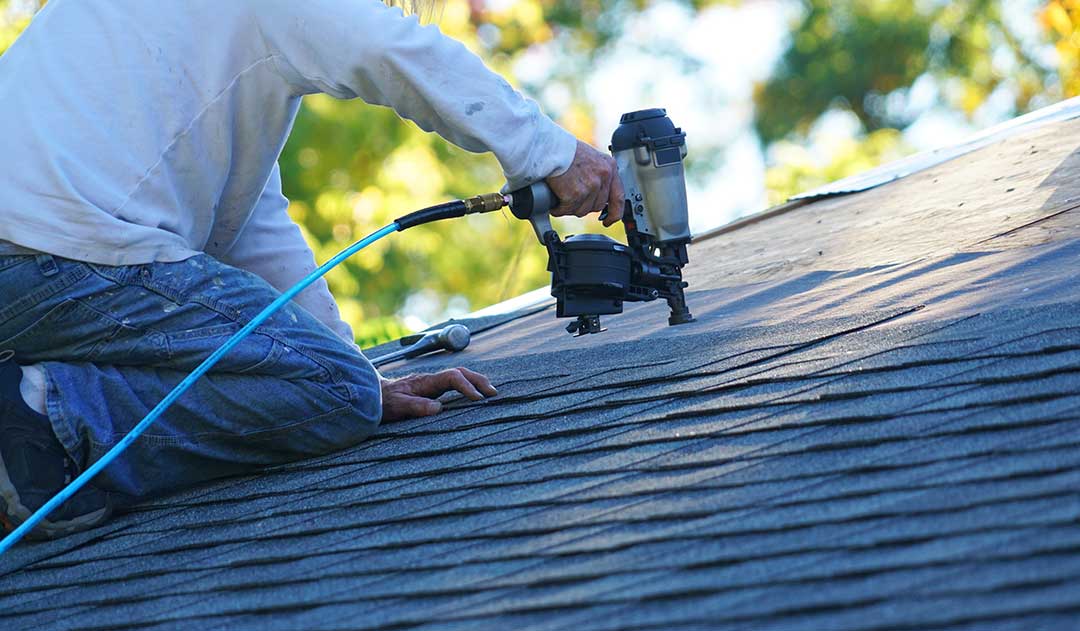
In roofing, “layers” refer to how many sets of shingles are installed on top of each other. Some roofs have multiple layers from past repairs—all can affect costs, timelines, and local code compliance.
Things to know:
- Depew area regulations may limit the number of shingle layers (often two) before requiring complete tear-off and new installation.
- Too many layers can add weight and reduce roof lifespan.
When discussing repair or replacement, knowing how many layers you have matters for both budgeting and following local regulations.
What Should Homeowners Know About Roof Lifespan and Maintenance?
A few terms help residents talk about roof longevity and care:
- Lifespan: The expected number of years a roofing material will last. Asphalt shingles commonly last 15-30 years, but weather, ventilation, and maintenance influence this.
- Moss and Algae Staining: Occur more frequently in shaded, damp areas—not just an aesthetic concern but can affect materials’ longevity.
- Ventilation: Proper airflow in the attic or roof structure helps manage temperature and moisture, reducing the risks of ice dams, mold, and premature aging.
Regular inspection and using these terms helps catch issues early, especially after storms or heavy snowfall.
Are There Other Important Terms Residents See in Roofing Estimates?
Roof repair or replacement estimates often include phrases that can seem confusing. Here are a few commonly encountered items:
- Square: A roofing measurement—one “square” equals 100 square feet, and roofing materials are often priced per square.
- Eave: The edge of the roof that overhangs the exterior wall.
- Rafter: The structural beams that support decking and shape the roof.
- Sheathing Replacement: Removing and replacing damaged decking when rot or leaks are found.
- Warranty: Coverage for defects in materials or installation; carefully check terms—local climate can influence what's covered.
Decoding these common estimate items can help residents make informed decisions, compare options, and ask detailed questions when weather or age mean roof work is needed.
